Multiplayer Games with Dynamic Team Coordination
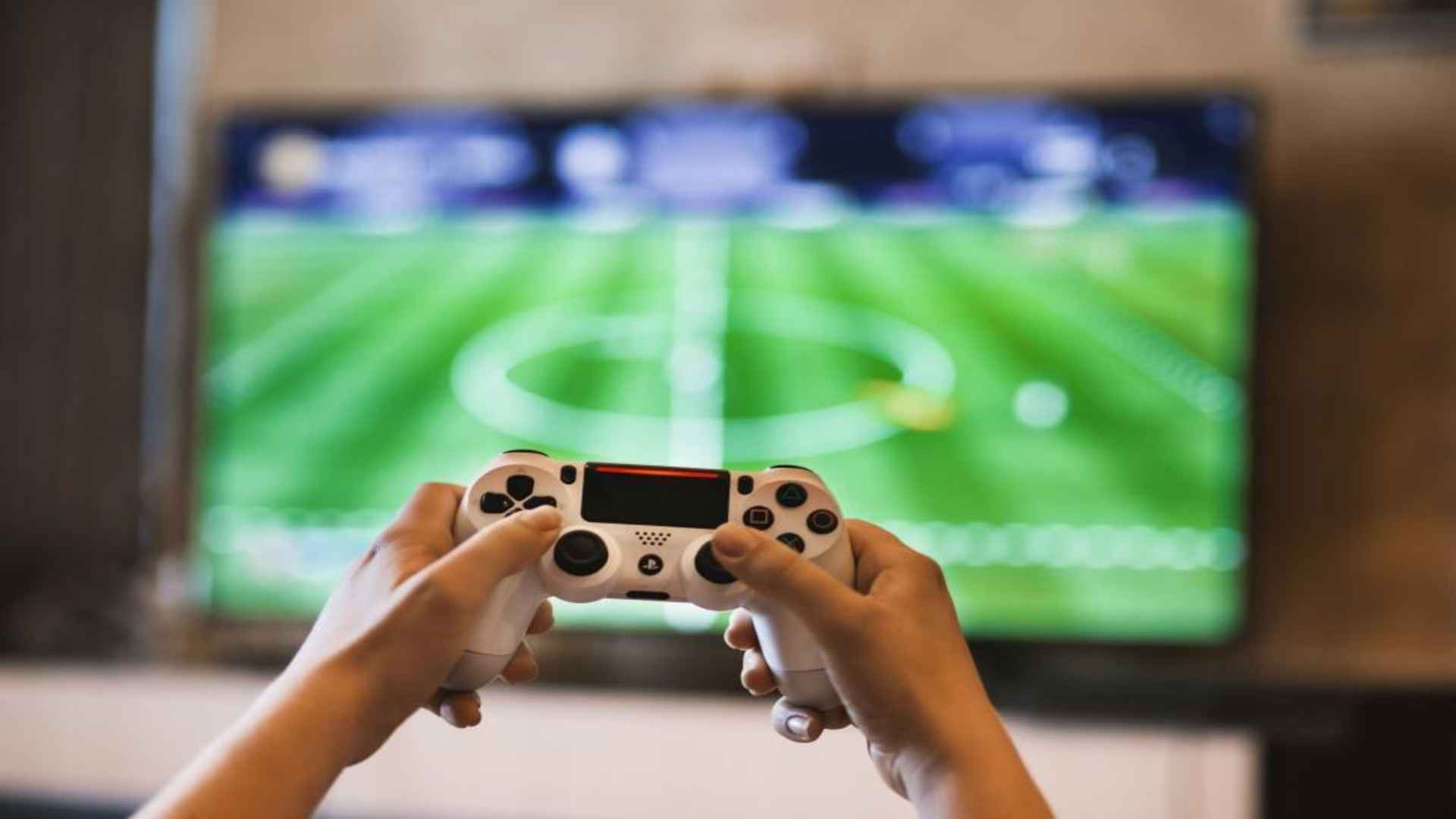
The landscape of modern online entertainment has shifted heavily toward collaborative experiences that demand fluid communication and shared strategic execution. Rather than relying solely on individual reflexes, contemporary multiplayer titles focus extensively on how well a group can adapt to unpredictable variables in real time. This evolution in digital engagement has redefined success, transforming ordinary squads into highly synchronized operational units.
The Evolution of Shared Tactical Systems
Traditional cooperative setups often relied on fixed responsibilities that rarely shifted during active gameplay cycles. Modern gaming environments introduce fluid ecosystems where participants must switch tactical roles instantly to counter changing opponent tactics. This dynamic framework ensures that every match remains engaging, forcing communities to develop deeper mechanical versatility.
As these specialized mechanics continue to evolve, developers are introducing sophisticated tools to support organic squad synchronization. If you are looking to explore platforms that embrace interactive digital systems, you can check out Mansion88 for various engaging options. These modern portals highlight how structured digital communities thrive when interactive engagement and robust user collaboration are prioritized seamlessly.
Fluid Adaptation and Role Switching
In highly competitive digital arenas, success is determined by how quickly a group adjusts to sudden tactical changes. When an unexpected obstacle disrupts the initial game plan, the entire squad must recalibrate their positioning and resources simultaneously. This continuous cycle of feedback and execution bridges the gap between casual group play and elite tactical mastery.
Furthermore, asymmetrical game design requires individual players to master distinct, interconnected character abilities that complement each other. Failing to coordinate these specialized traits often results in strategic breakdowns, even if individual mechanical skill is exceptionally high. True synergy is achieved when the group moves as a singular entity, anticipating each other actions perfectly.
Building Trust in Digital Communities
Beyond the software mechanics themselves, the psychological aspect of shared interactive spaces plays a vital role in team longevity. Establishing transparent communication channels allows global communities to minimize confusion during intense, high-stakes scenarios. Over time, these shared triumphs and strategic failures foster lasting relationships that extend far past the virtual match.
Ultimately, the continuous growth of cooperative online spaces demonstrates that modern audiences crave meaningful, interconnected experiences. By challenging players to think collectively rather than individually, the industry ensures that the future of multiplayer engagement remains vibrant and intellectually stimulating.